
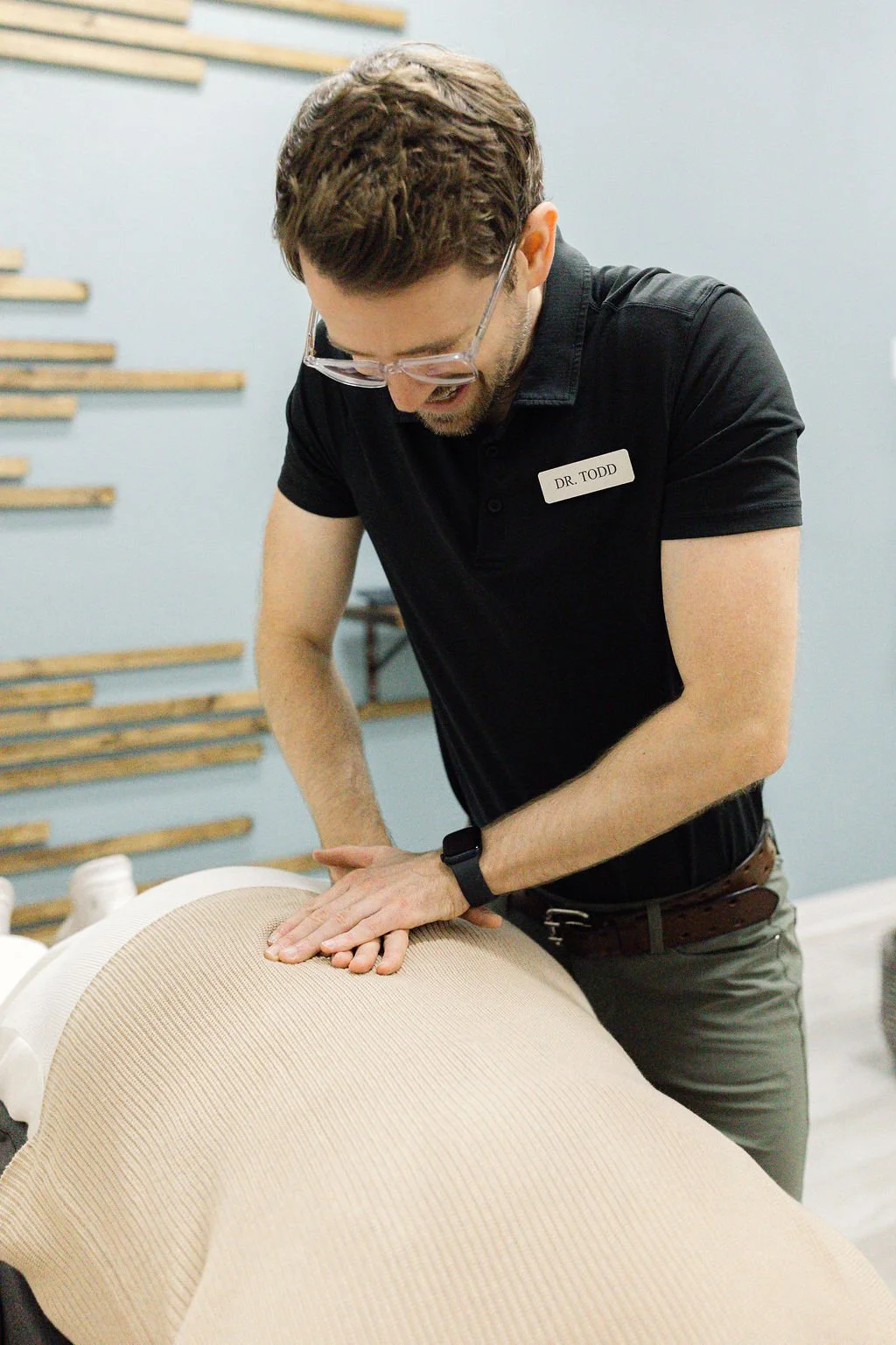
Chiropractic Wellness Care in Gilbert, AZ

What Is Chiropractic Wellness Care?
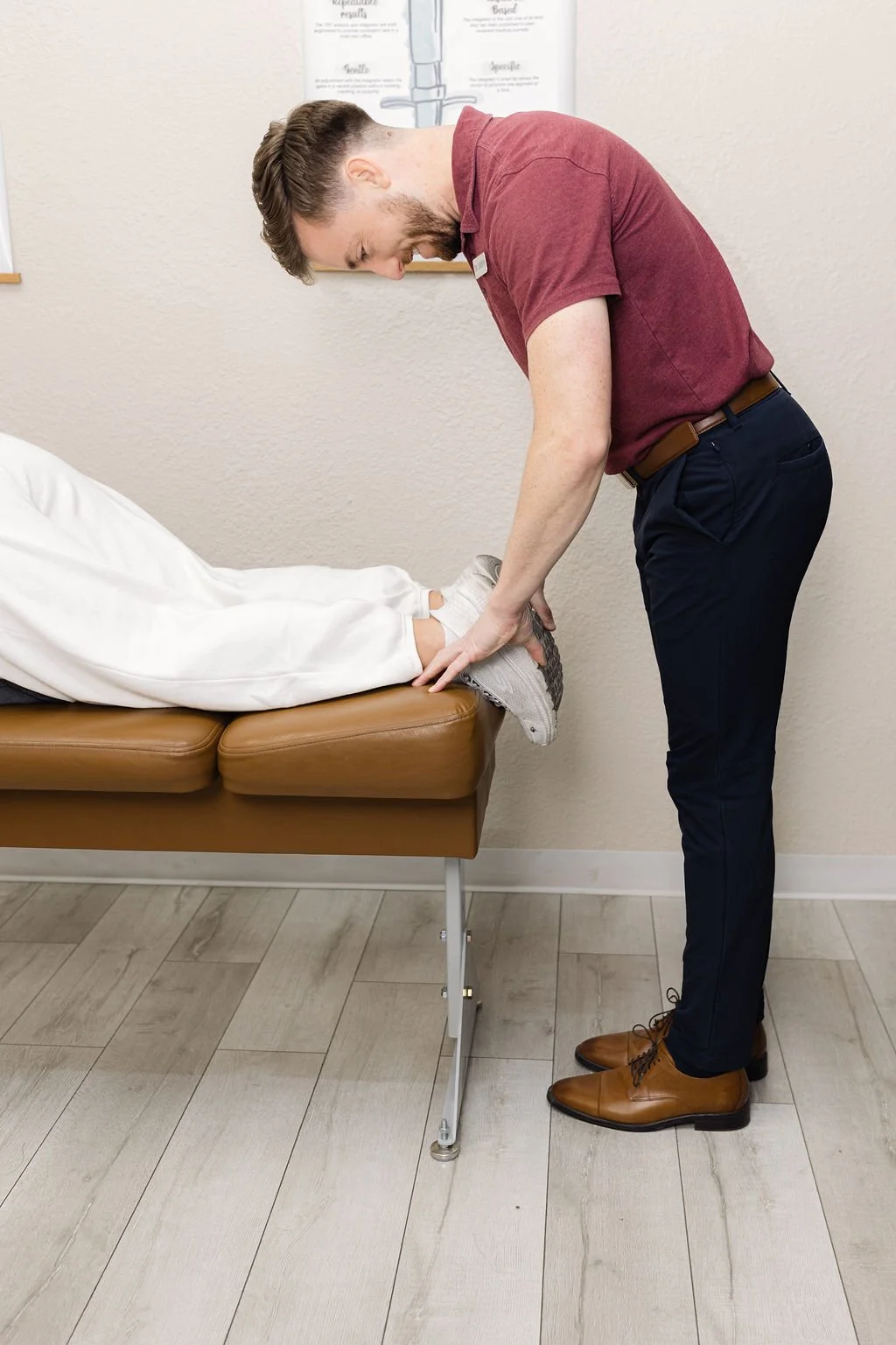
Wellness care is regular chiropractic care maintained after the initial, more intensive phase of correction is complete. Think of it the way you think about dental cleanings, annual physicals, or staying active — not because something is broken, but because consistent attention keeps things working well.
At Edified, wellness care is still neurologically-based. That means we’re not just adjusting for the sake of adjusting — we’re checking in on how your nervous system is actually functioning, addressing the stress and interference that accumulates in everyday life, and making sure the gains you worked for in corrective care continue to hold.
What Changes in Wellness Care
The frequency drops. Instead of coming in multiple times a week during the intensive phase, wellness patients typically come in once a week or every other week. But the technology, the precision, and the intention stay the same.
What Stays the Same
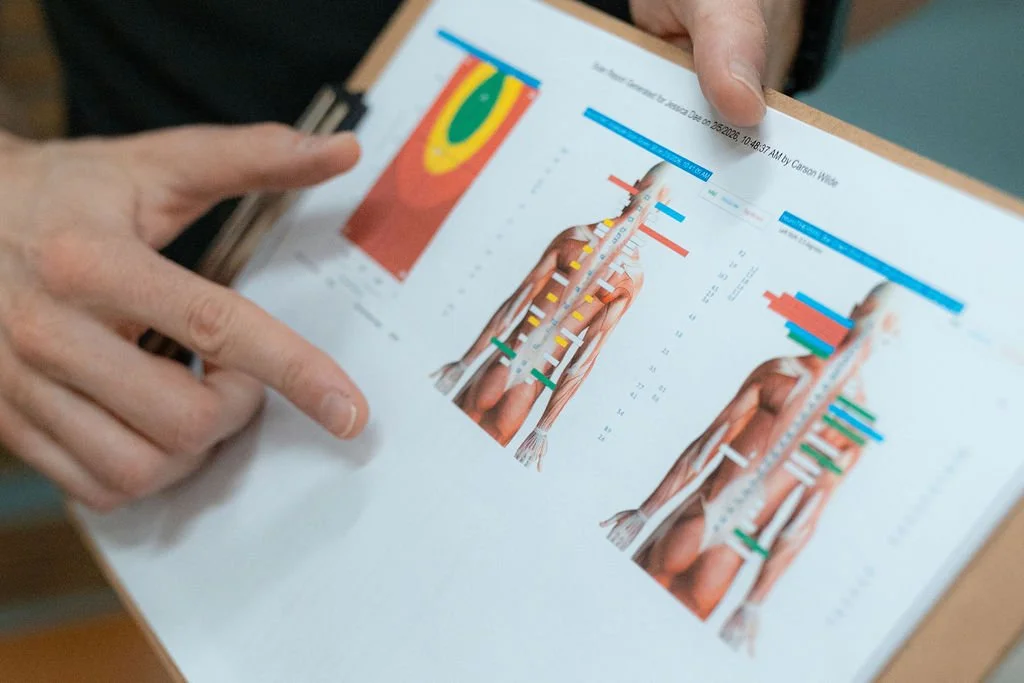
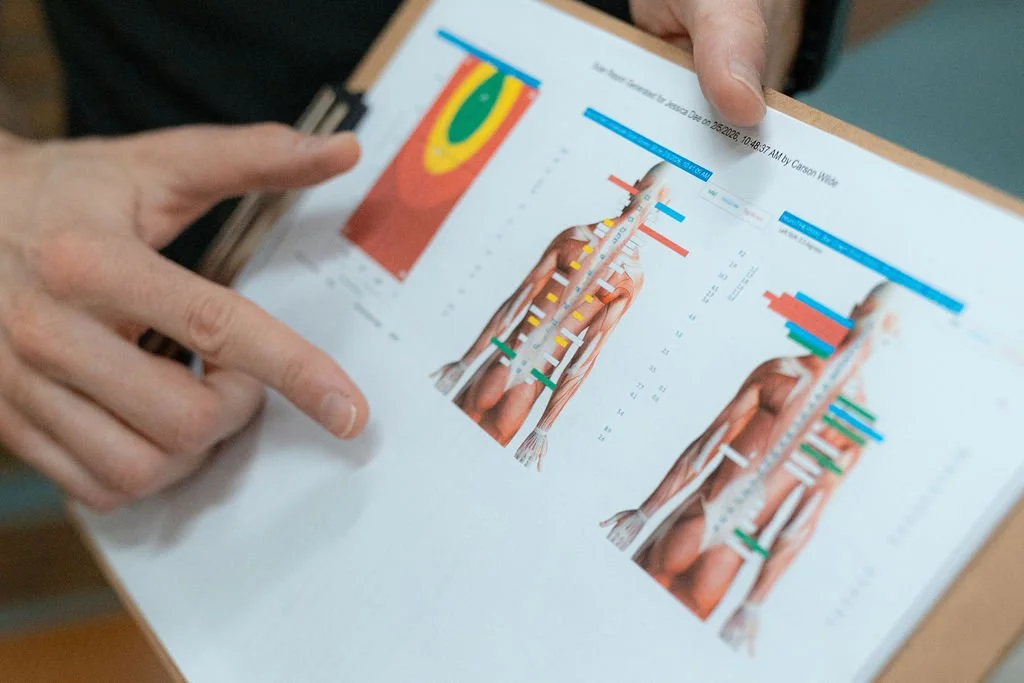
Every wellness patient at Edified is still periodically re-scanned with our CLA INSiGHT neurological technology. The scans give us an objective read on how the nervous system is holding between visits — so we’re never guessing, and we’re never just going through the motions. If something in your scan changes, we address it. If things are holding well, we celebrate that.
Wellness care isn’t a commitment to come in forever. It’s a decision to maintain what you’ve built — on a schedule that fits your life and your nervous system’s actual needs.
Why the Nervous System Needs Ongoing Attention
Here’s the thing about stress: it doesn’t stop. Work deadlines, long days, disrupted sleep, emotional load, physical demands, screen time, growth spurts, life transitions — all of it registers in the nervous system. The body is constantly adapting to what it’s being asked to handle.
For Adults and Parents
Adults tend to carry years of accumulated stress — physical, emotional, and postural — that the nervous system has quietly been compensating for. Wellness care keeps that compensation from quietly undoing the progress made in corrective care. Many of our adult patients tell us that their wellness visits are one of the few things in their week that is entirely about their own nervous system health — not their family’s, not their job’s. Just theirs.
When the nervous system is well-supported through regular chiropractic care, it adapts more efficiently. When it’s not, the same stressors that felt manageable start to feel like too much — and subluxation, the interference we spend corrective care addressing, starts to creep back.
Wellness care keeps the system responsive. It’s the difference between maintaining a car that runs well versus waiting until the check-engine light comes on.
For Kids and Babies
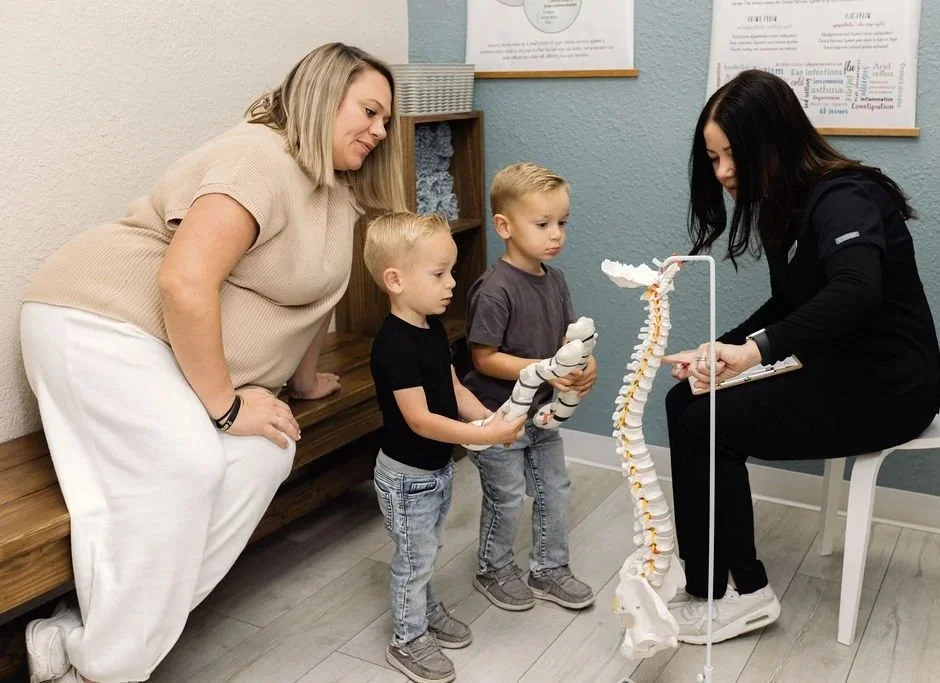
Children’s nervous systems are growing and developing at a rate that won’t happen again in their lifetime. As kids grow — through developmental milestones, school stress, sports, and everything else — their spines and nervous systems benefit from regular check-ins. Many of the families at Edified bring their kids in for wellness visits not because anything is wrong, but because they’ve seen what happens when their nervous system is supported consistently: better sleep, better focus, fewer sick days, smoother emotional regulation.
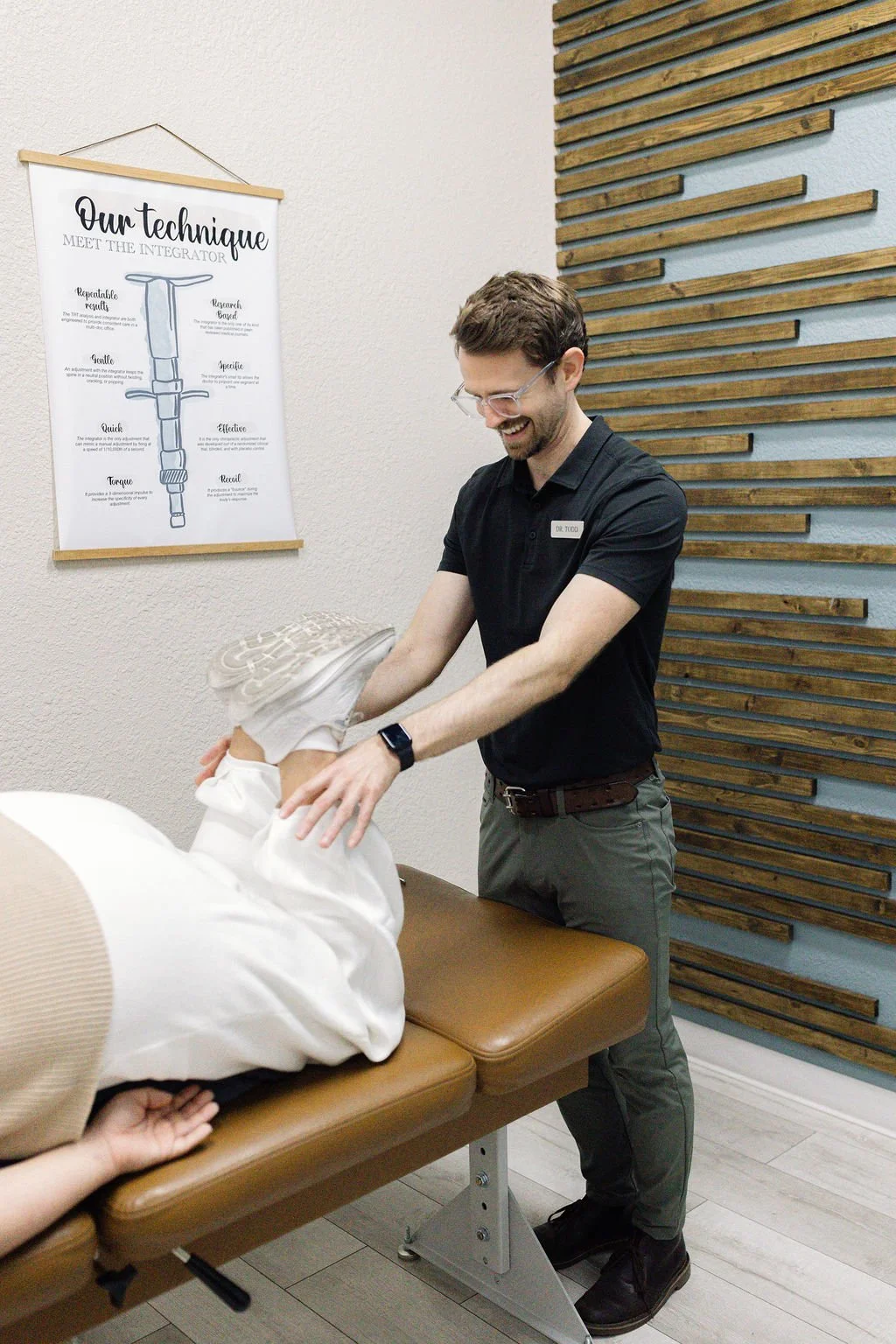
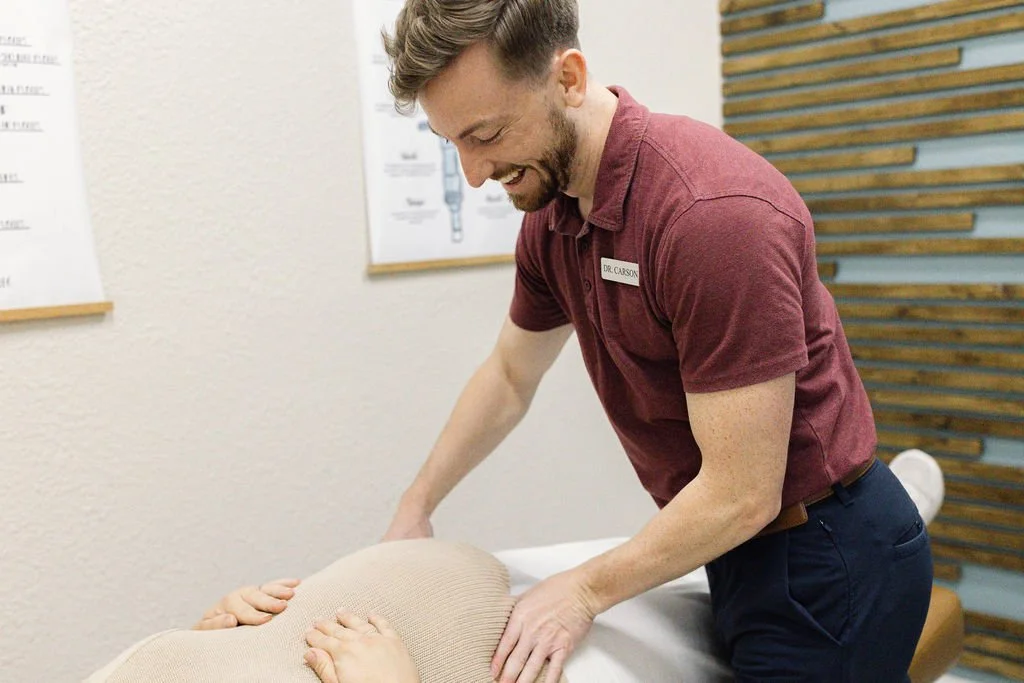
Wellness care isn’t a commitment to come in forever. It’s a decision to maintain what you’ve built — on a schedule that fits your life and your nervous system’s actual needs.
If you’ve been through corrective care at Edified, you already know the rhythm. A wellness visit is a natural extension of that — focused, efficient, and tailored to where your nervous system actually is on any given day.
Check-In
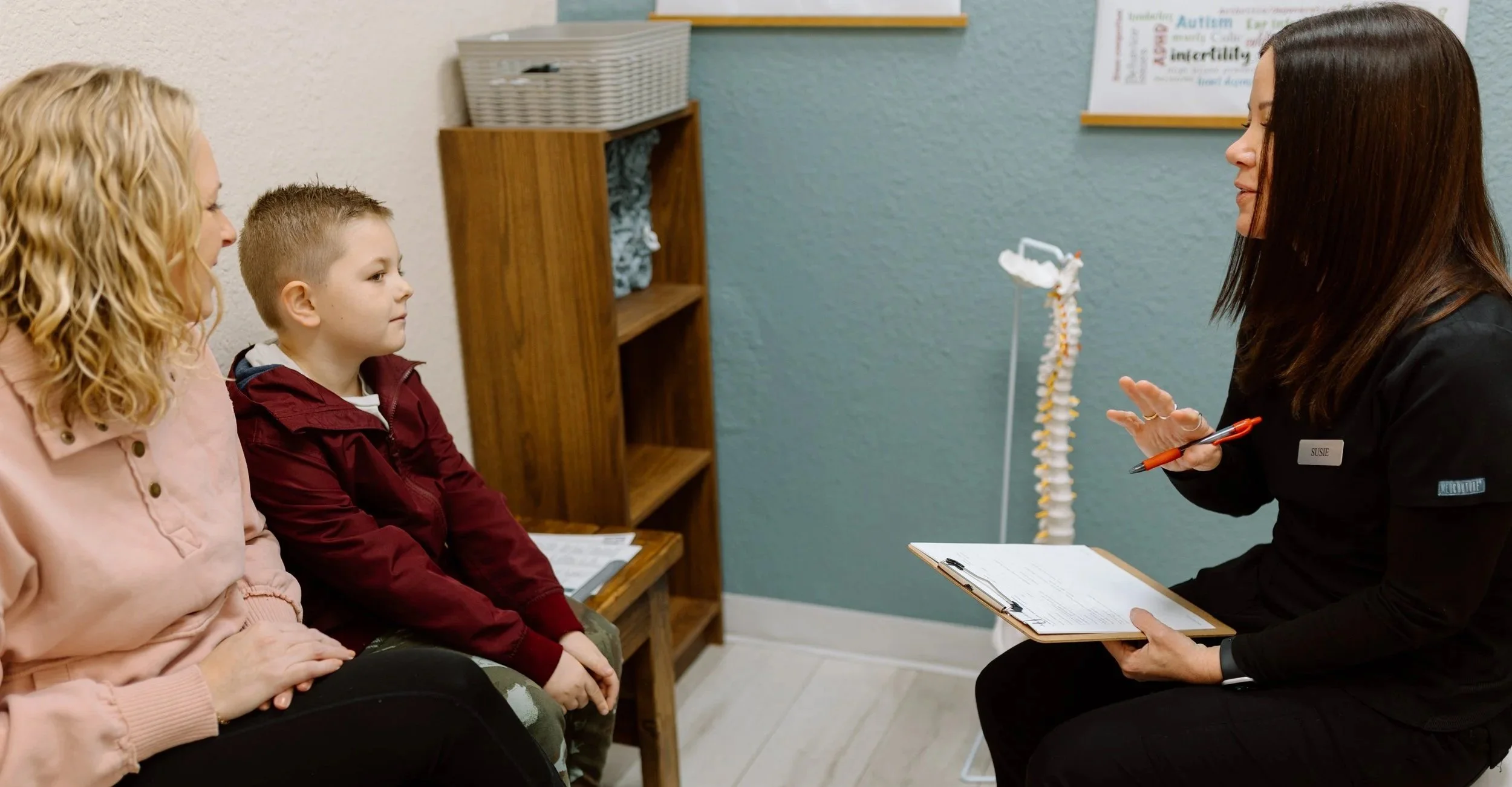
Every visit starts with a brief check-in. How has your body been holding up? Any new stress, travel, big physical demands? This isn’t just small talk — it gives Drs. Todd and Carson real-time context before they ever touch your spine.
Assessment and Adjustment
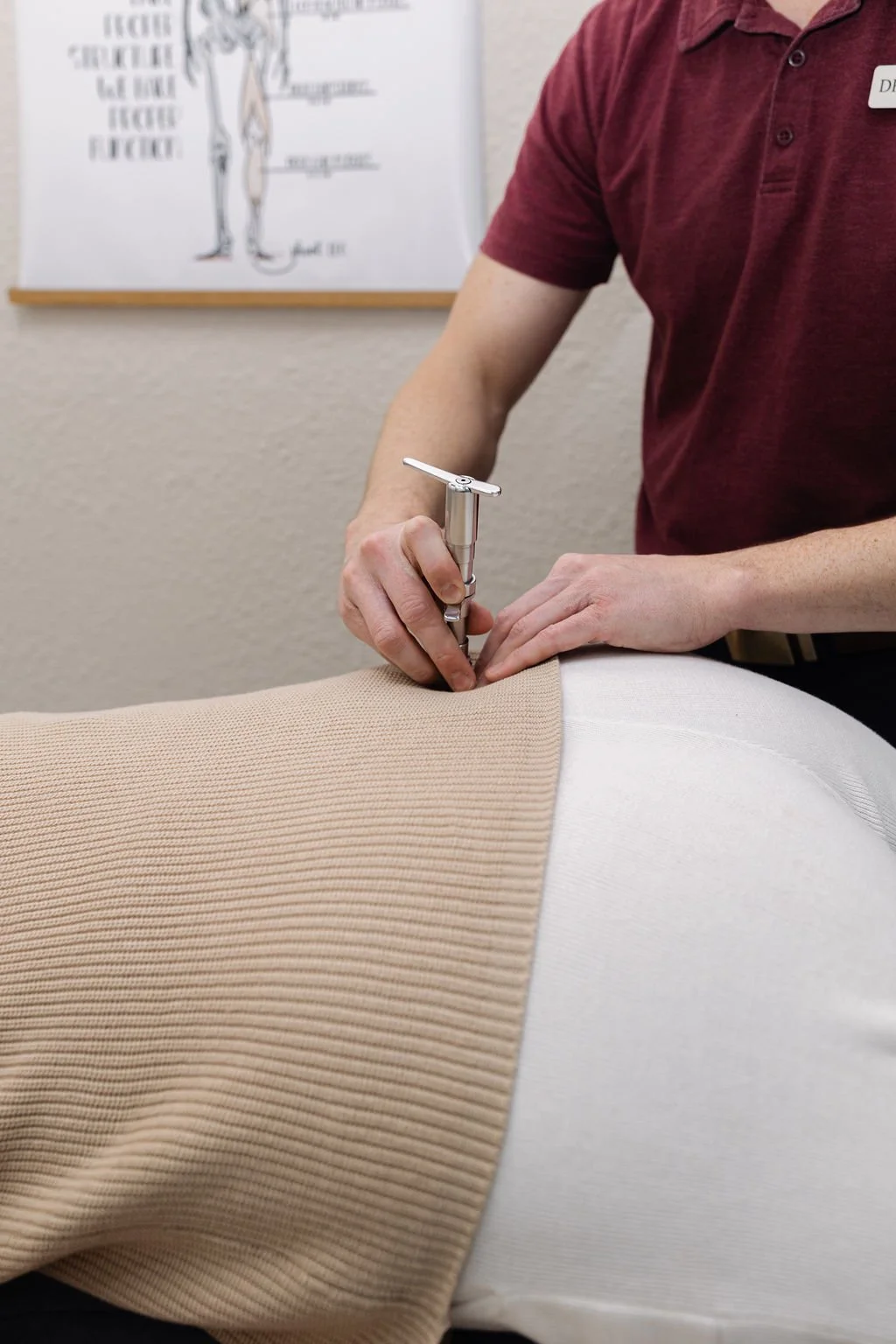
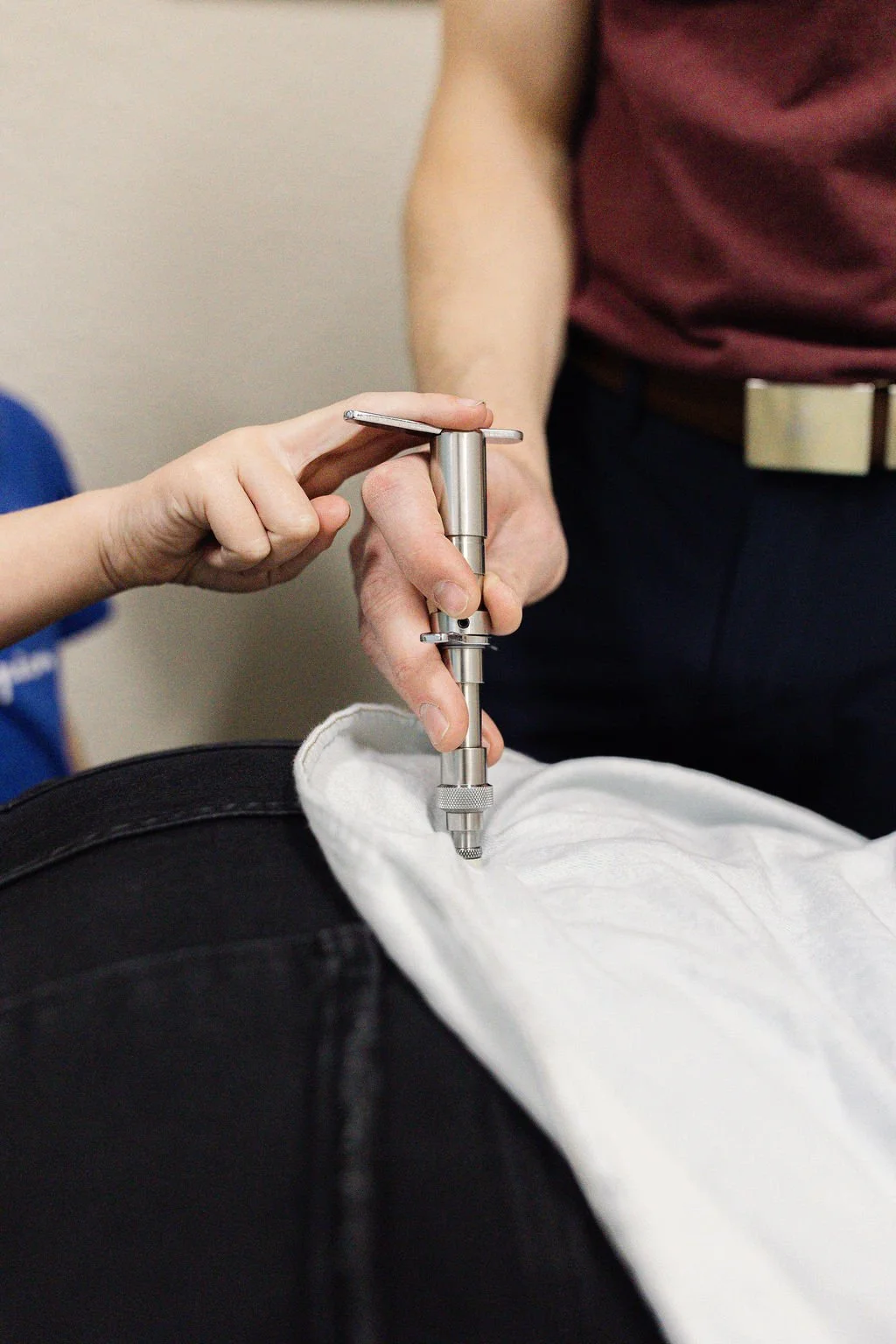
Based on the check-in and their hands-on assessment, your doctor identifies what needs to be addressed that day. Wellness adjustments are precise and purposeful — not a full-body protocol just because you showed up. Some visits address one or two specific areas; others are more comprehensive, depending on what the nervous system is communicating.
Periodic Re-Scans
Every wellness patient is re-scanned periodically with our CLA INSiGHT technology — the same HRV, sEMG, and thermal scans used at your initial exam. These scans track how your nervous system is holding over time and give us objective data to guide the care plan. You’ll always know how things are trending, not just how you feel.
Visit Length
Wellness visits are typically 10–15 minutes. The goal is to keep your nervous system supported without it becoming a production. We know your time matters.
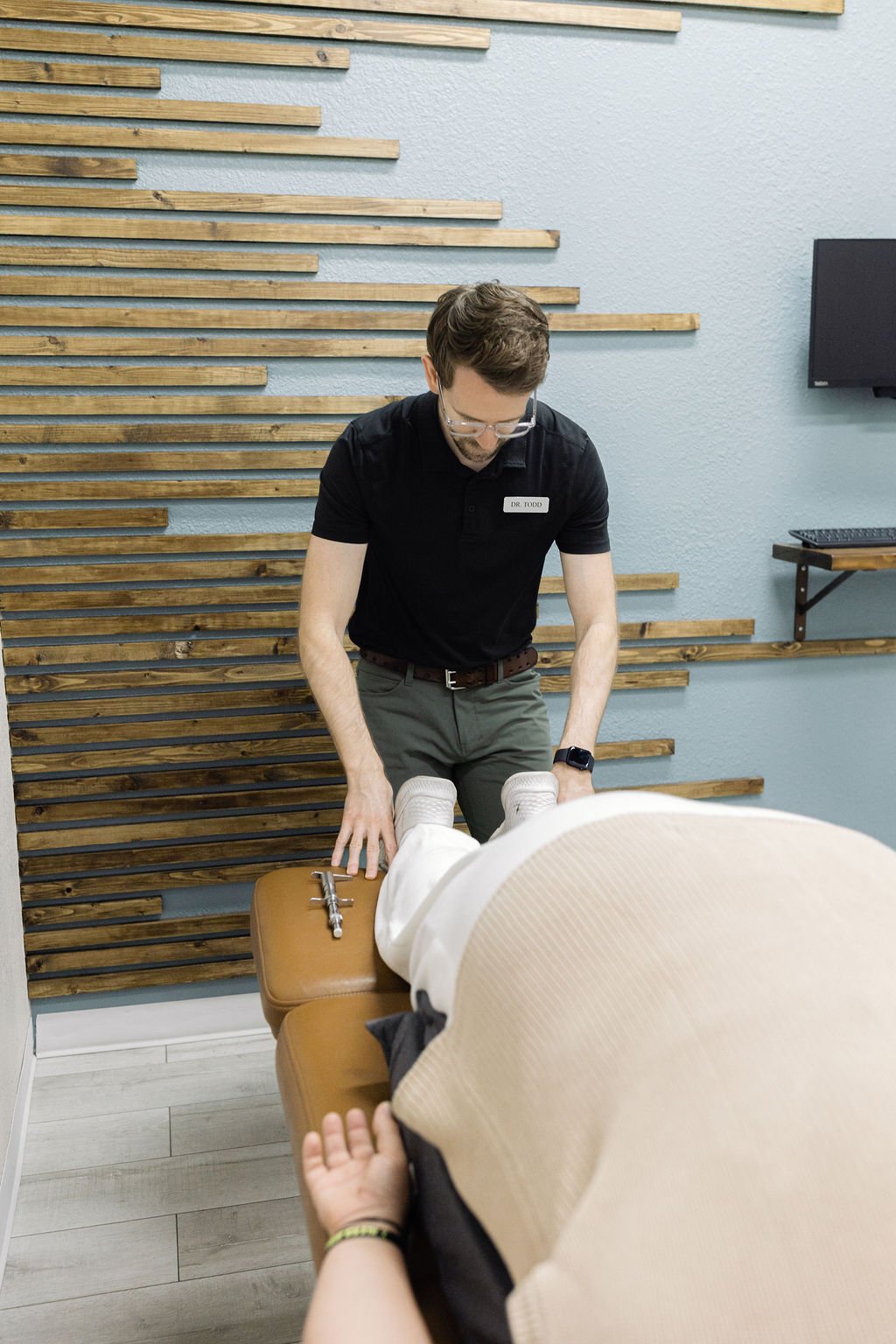
What to Expect at a Wellness Visit
Who Is Wellness Care Right For?
Wellness care isn’t one-size-fits-all — and it’s not just for people who’ve been in pain. Here’s who tends to benefit most:
Patients who’ve completed a Care Plan
You put in the time. You did the work. Your nervous system responded. Wellness care is how you protect that investment and keep the progress from quietly unraveling under the demands of daily life.
You’ve seen what it looks like when stress builds in your nervous system without support. Wellness care keeps you in front of it — so you can keep showing up for your family.
Kids in active growth phases
Growth spurts, school transitions, sports seasons, and life changes all register in the developing nervous system. Regular check-ins help kids stay regulated, resilient, and supported through it all.
Adults who’ve never been in pain — and want to stay that way
Preventive care is some of the most powerful care there is. If your nervous system is functioning well and you want it to stay that way, wellness care is designed for exactly that.
Families who understand that health is an ongoing practice
Not a destination. Not something you achieve once and then set aside. For families at Edified, wellness care is simply part of how they prioritize health — the same way they prioritize sleep, movement, and good food.
Parents who want to stay ahead of it
Pregnancy Discomforts the Webster Technique May Help With
Mamas come to us for Webster Technique care for all kinds of reasons. Some are managing specific discomfort; others are being proactive about their pelvic health from the start. Here's what we commonly see and address:
Lower Back Pain and Sacral Discomfort
The lower back bears the brunt of pregnancy's postural demands. As your belly grows and your center of gravity shifts forward, the lumbar spine compensates — and the sacrum often gets caught in torsion patterns that create real, persistent aching. Webster Technique adjustments restore proper sacral motion and take the cumulative load off the lower back.
Hip Pain and Pelvic Girdle Pain
Hip and pelvic girdle pain (PGP) during pregnancy is incredibly common — and often written off as "just part of being pregnant." It doesn't have to be. When the sacroiliac joints are moving asymmetrically, hip pain is the natural result. Restoring pelvic balance changes that picture.
Symphysis Pubis Dysfunction (SPD)
SPD happens when the joint at the front of the pelvis — the symphysis pubis — becomes unstable or inflamed due to the loosening effects of relaxin. It can feel like sharp, stabbing pain at the front of the pelvis, especially when walking, climbing stairs, or shifting your weight. Webster Technique care addresses the underlying pelvic mechanics that contribute to SPD, and many mamas experience significant relief.
Sciatica During Pregnancy
Sciatic nerve pain during pregnancy — that burning, radiating discomfort down the glute and into the leg — is usually a sign that pelvic imbalance or sacral misalignment is placing pressure on the nerve pathway. Gentle Webster Technique adjustments and soft tissue release often resolve it more effectively than anything else available during pregnancy.
Round Ligament Pain
Round ligament pain — the sharp, catching sensation in the lower abdomen or groin — happens when the round ligaments that support the uterus are under uneven tension. The soft tissue component of the Webster Technique addresses this directly, helping balance the pull on those ligaments and relieve the discomfort that can make movement feel unpredictable.
Rib and Mid-Back Tension
As the uterus grows and rib cage expands, mid-back and rib tension become increasingly common, especially in the second and third trimesters. While the Webster Technique's primary focus is the sacrum and pelvis, we address the full spine as part of a complete prenatal care plan — because nothing in the body functions in isolation.
What Mamas in Gilbert, AZ Are Saying

“I stumbled into Edified Chiropractic’s booth at the Eastmark farmers market, and it was like the Heaven gates opened and the angels sang down. I was pregnant with twins and having a lot of lower back pain and round ligament pain. It just so happens that Doctor Todd and Doctor Carson specialize in the Webster technique for pregnancy. They set me up with an appointment a few days later, I went in had my evaluation and the next day they got me in to start treatment and wow what a difference it has made for me this pregnancy! They created a specialized plan just for me and my needs. I have made so many strides and continue to be successful in my pregnancy and I owe a lot of that to Doctor Todd and Doctor Carson they have made a world of a difference for me during this pregnancy! I can’t wait until my babies can become patients of theirs as well and we can have a healthy successful infancy like my pregnancy has been! You walk into the office and Susie and Callie at the front desk are so kind and welcoming, getting set up in the adjustment rooms is nice and easy! And bonus they have pregnancy pillows so this pregnant mama gets to lay on her belly for a little bit! Doctor Carson and Doctor Todd walk you through everything they’re doing during the adjustment and truly care about your care and how you’re feeling. Definitely recommend Edified Chiropractic 10/10 check them out!”
Randi W, Gilbert, AZ ⭐⭐⭐⭐⭐
When Should You Start Webster Technique Care?
The short answer: as early as you want to. The longer answer depends on where you are and what you're dealing with.
First Trimester Your body starts adapting to pregnancy almost immediately — hormones are shifting, ligaments are beginning to loosen, and your nervous system is already working differently. Starting care in the first trimester means we're supporting your pelvis before compensations and imbalances have time to set in. It's the most proactive option, and many mamas who start early tell us their pregnancy felt dramatically different from previous ones.
Second Trimester The second trimester is when postural changes become more significant and discomfort often begins. Starting care now is still early enough to create meaningful change and prevent the compounding effects that often hit hardest in the third trimester.
Third Trimester The third trimester is when most mamas find their way to us, often because discomfort has escalated or their birth provider has mentioned the baby's position. Starting now absolutely still makes a difference — we see mamas all the way up to their due date, and many come in for a final tune-up the week before they deliver.
Any Stage Is the Right Stage There's no wrong time to start. Whether you're 8 weeks or 38 weeks, we'll meet you exactly where you are.

What to Expect at Your First Webster Technique Visit
We know coming in for the first time can feel like a lot — especially when you're pregnant and your body is already doing so much. Here's exactly what your first visit looks like:
Step 1: Health History and Pregnancy Consultation We start by getting to know you — your pregnancy history, how this pregnancy has been going, what discomforts you're experiencing, what your birth goals are, and any concerns you have. This is a real conversation, not a rushed intake.
Step 2: Neurological Scans As part of your initial exam, we perform all three CLA INSiGHT neurological scans — HRV, sEMG, and thermal. These give us an objective picture of how your nervous system is functioning and where stress is concentrated. For pregnant mamas, this is especially valuable because it shows us how your autonomic nervous system is adapting to the demands of pregnancy. All three scans are completely safe during pregnancy.
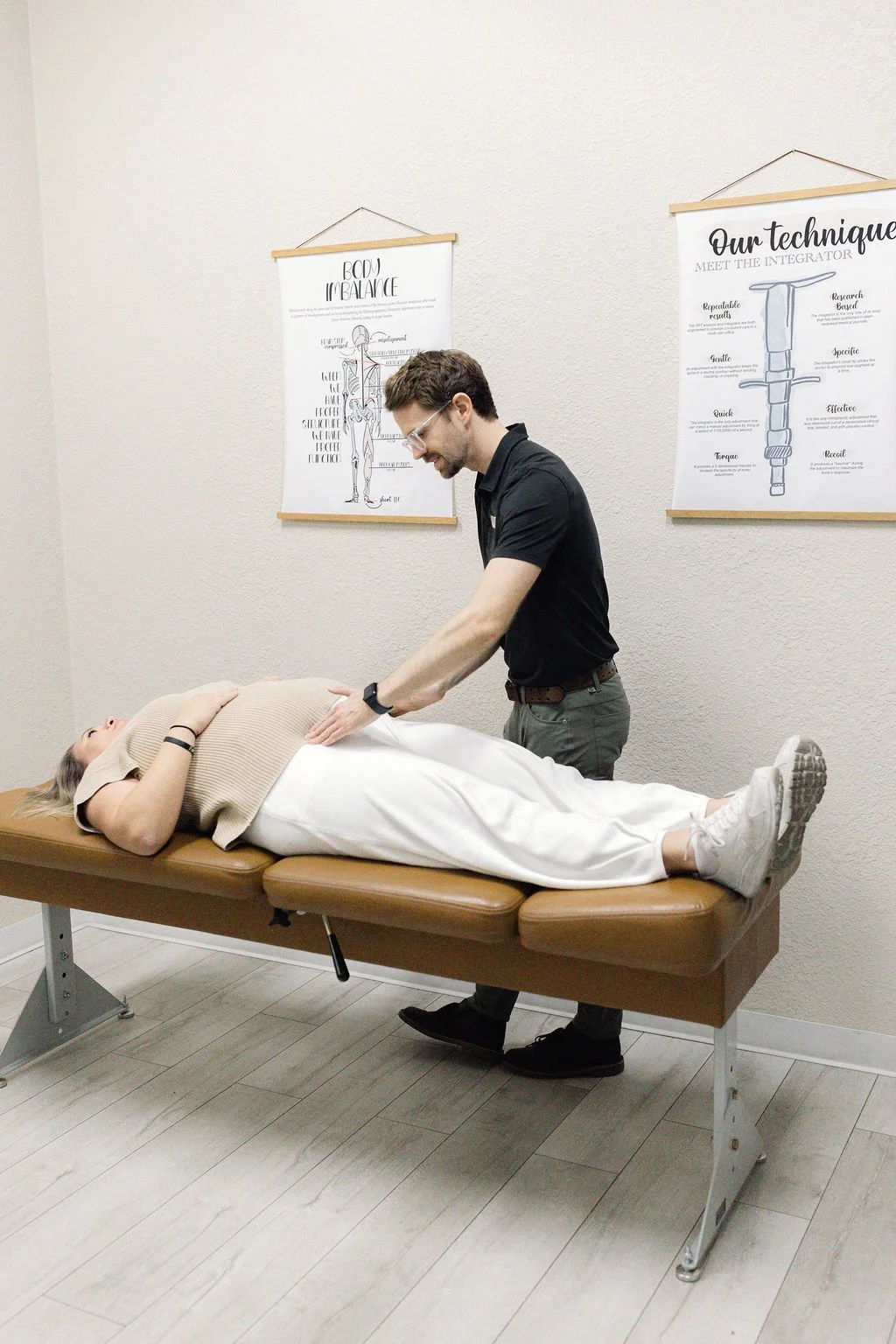
Step 3: Pelvic and Spinal Assessment Drs. Todd and Carson perform a hands-on assessment of your sacrum, pelvis, and spine — checking for the specific patterns of misalignment and soft tissue tension that the Webster Technique addresses.
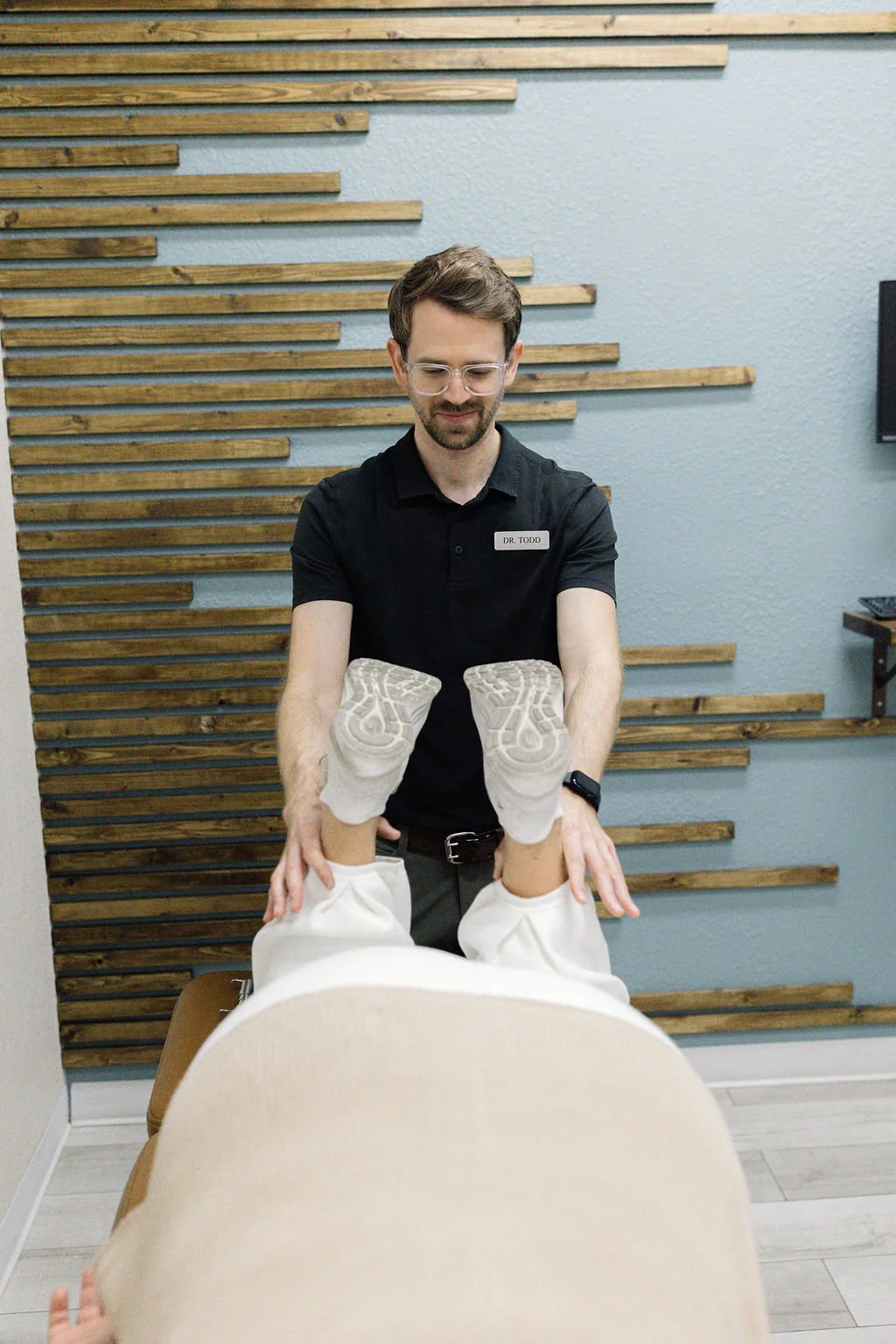
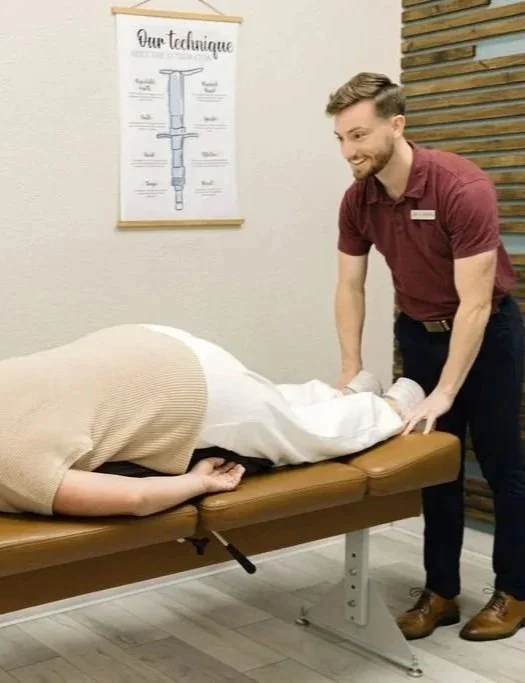
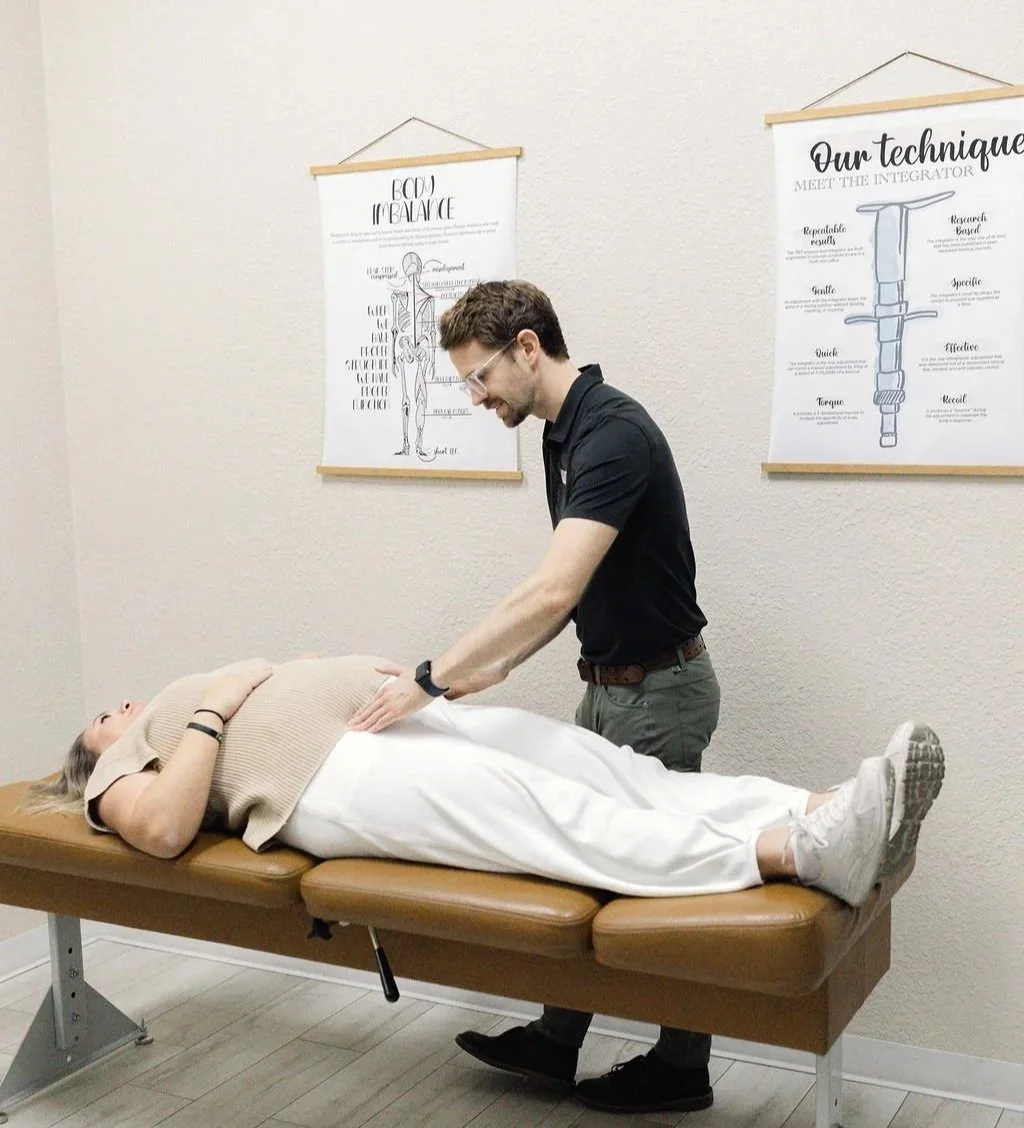
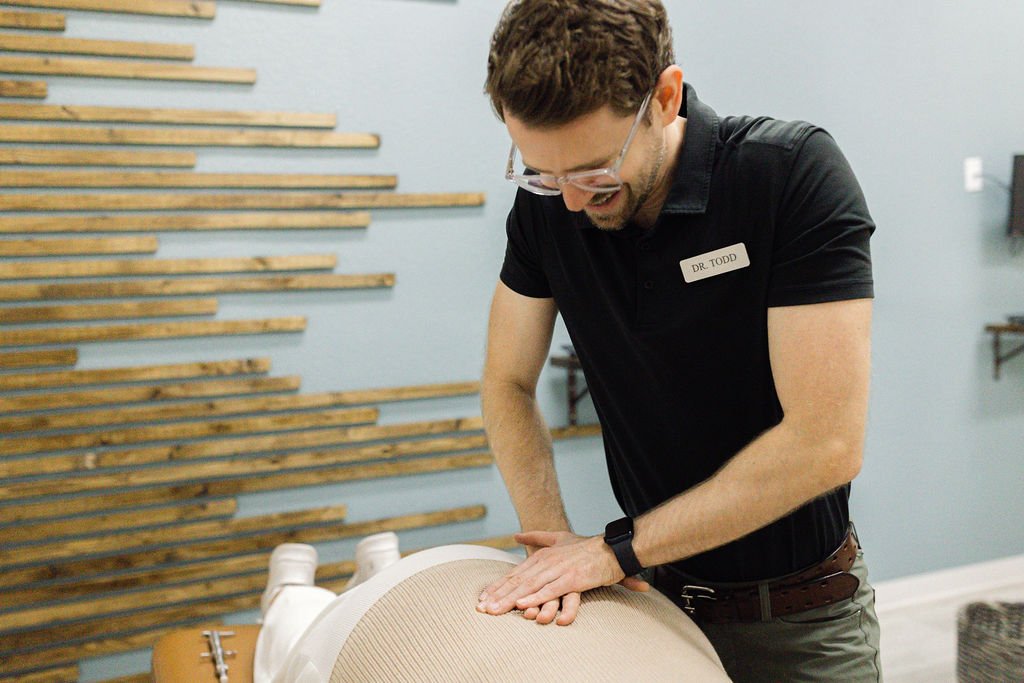
Step 4: Your Webster Technique Adjustment Your first adjustment is gentle, comfortable, and performed on a table specifically designed for pregnancy — including belly cutouts so you can actually lie face-down for a few minutes without any pressure on your baby. Adjustments involve no twisting, popping, or high-force movements of any kind.
Step 5: Report of Findings On Day 2, we walk you through your scan results, our assessment findings, and a personalized care recommendation for your pregnancy. You'll leave with a clear plan and a real understanding of what your body needs.
Why Gilbert Mamas Choose Edified Chiropractic for Webster Technique Care
There are chiropractors throughout the East Valley. Here's what makes Edified different for pregnant mamas specifically:
Both Doctors Are Webster Certified Dr. Todd and Dr. Carson are both Webster Technique certified through the ICPA — the gold standard for prenatal chiropractic training. You're not seeing a generalist who occasionally adjusts pregnant patients. This is what we do, and we've invested in the training to do it well.
Neurologically-Based Care We don't just look at your pelvis in isolation. Our CLA INSiGHT neurological scans give us a full picture of how your nervous system is functioning throughout pregnancy — so your care plan is built on data, not guesswork. For pregnant mamas, this level of detail matters.
Equipment Designed for Pregnancy Our tables are specifically designed to accommodate a growing belly, including pregnancy pillows so you can actually lie face-down comfortably. It's a small thing that means a lot at 30 weeks.
A Practice Built for Families Edified is a family practice at its core — and that means we understand the full picture. We care for mamas through pregnancy and postpartum, and for babies from their very first days. When your little one arrives, your care doesn't stop and their care can begin right away.
Frequently Asked Questions About Webster Technique
-
Yes — the Webster Technique is safe throughout pregnancy, including the first and third trimesters. The adjustments are low-force, involve no twisting or high-velocity movements, and are specifically designed for the biomechanics of pregnancy. Both Dr. Todd and Dr. Carson are trained and certified in prenatal technique, and every adjustment is adapted to your trimester, your comfort level, and what your body needs that day.
-
This is one of the most common misconceptions about Webster Technique care, and it's worth clearing up. The Webster Technique is a maternal care technique — its goal is to restore balance in the mother's pelvis and reduce tension in the surrounding soft tissues. It does not directly manipulate the baby. What it does is create an optimal environment by removing restriction and imbalance in the pelvis, which gives baby the best possible opportunity to move into an ideal position. Babies are responsive to their environment — when the uterus is more balanced and there's more room to move, many do shift on their own. But that's a secondary benefit of better pelvic function, not the technique's direct mechanism.
-
A standard chiropractic adjustment focuses primarily on spinal joint motion and alignment. The Webster Technique is specifically designed for pregnancy and addresses the sacrum, the sacroiliac (SI) joints, and the soft tissues — including the round ligaments — in a way that a standard adjustment doesn't. It also uses positioning and force levels specifically adapted for pregnant bodies. Think of it as a specialized protocol within chiropractic care, designed for the unique demands of pregnancy.
-
No. Webster Technique adjustments are gentle by design. Most mamas describe the adjustment as a relief — especially those dealing with pelvic pain or sciatica who feel the difference immediately. The soft tissue work on the round ligaments can feel tender if those ligaments are particularly strained, but it's the kind of tenderness that resolves quickly. You'll never leave a visit in more pain than you came in with.
-
No referral is needed to begin care at Edified Chiropractic. Many of our mamas come in on their own, and we're happy to communicate with your birth provider if you'd like us to. We work collaboratively with OBs, midwives, and doulas throughout the East Valley — because your birth team should be pulling in the same direction.
-
Absolutely — and we strongly encourage it. Birth is a significant physical event, and the pelvis and sacrum often need support in the weeks after delivery. Many of the same Webster Technique principles apply postpartum, as we work to help the pelvis return to balance after the demands of labor and delivery. We also begin caring for newborns immediately after birth, so you and your baby can often be seen together. See our Pregnancy & Postpartum page for more.
Serving Pregnant Mamas in Gilbert, AZ and the East Valley
Edified Chiropractic serves expecting mamas throughout Gilbert, Mesa, Chandler, Queen Creek, and San Tan Valley. Our office is located at 1184 N. Gilbert Road, Suite 200 — convenient for families across the East Valley, close to San Tan Village and the Gilbert Heritage District.
If you're looking for a Webster Technique certified pregnancy chiropractor in Gilbert, AZ who takes a neurologically-based, whole-mama approach to prenatal care, you've found your people.
Ready to Feel Better in Your Body This Pregnancy?
You don't have to white-knuckle it through nine months of pelvic pain, sciatica, and discomfort. Gentle, certified Webster Technique care can make a real difference — and the earlier you start, the better your whole pregnancy can feel.