
Chiropractor for Torticollis
in Gilbert, AZ
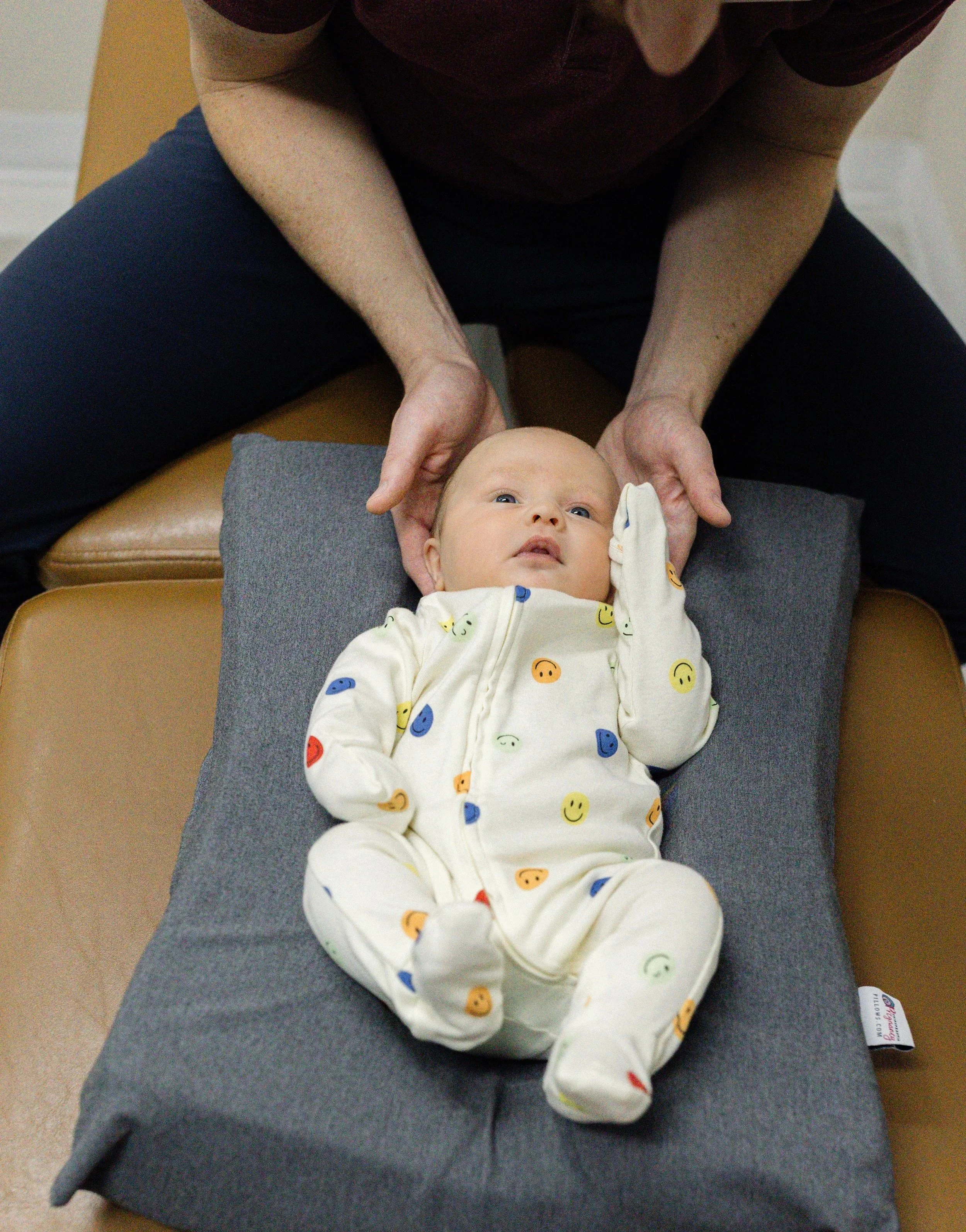
If your baby consistently tilts their head to one side, struggles to turn their neck, or prefers looking in one direction, they may be experiencing infant torticollis. At Edified Chiropractic, we specialize in gentle chiropractic care for babies with torticollis in Gilbert, AZ, helping support proper neck mobility, comfort, and healthy development—naturally and safely.
We understand how concerning it can be for parents to notice asymmetries or tension in their baby’s neck. Our goal is to provide clear answers, compassionate care, and a gentle treatment plan tailored specifically for infants.
What Is Torticollis in Babies?
Infant torticollis (often called congenital muscular torticollis) occurs when a baby’s neck muscles—most commonly the sternocleidomastoid (SCM)—are tight or restricted, causing the head to tilt or rotate to one side.
This condition is relatively common and often develops due to positioning in the womb, birth stress, or early postural habits.
Common Causes of Baby Torticollis
In-utero positioning or limited space during pregnancy
Birth stress or assisted delivery
Muscle tension from prolonged head positioning
Early preference for turning the head one direction
Signs & Symptoms Parents Notice
Parents often observe:
Head tilt to one side
Baby favors looking one direction
Difficulty turning the head fully
Flat spots on the head (plagiocephaly)
Fussiness during tummy time or feeding
Congenital vs. Acquired Infant Torticollis
Congenital torticollis is present at or shortly after birth
Acquired torticollis may develop weeks or months later due to muscle imbalance or positioning
Early evaluation and care are key to supporting proper development.
How Pediatric Chiropractic Care
Helps Torticollis
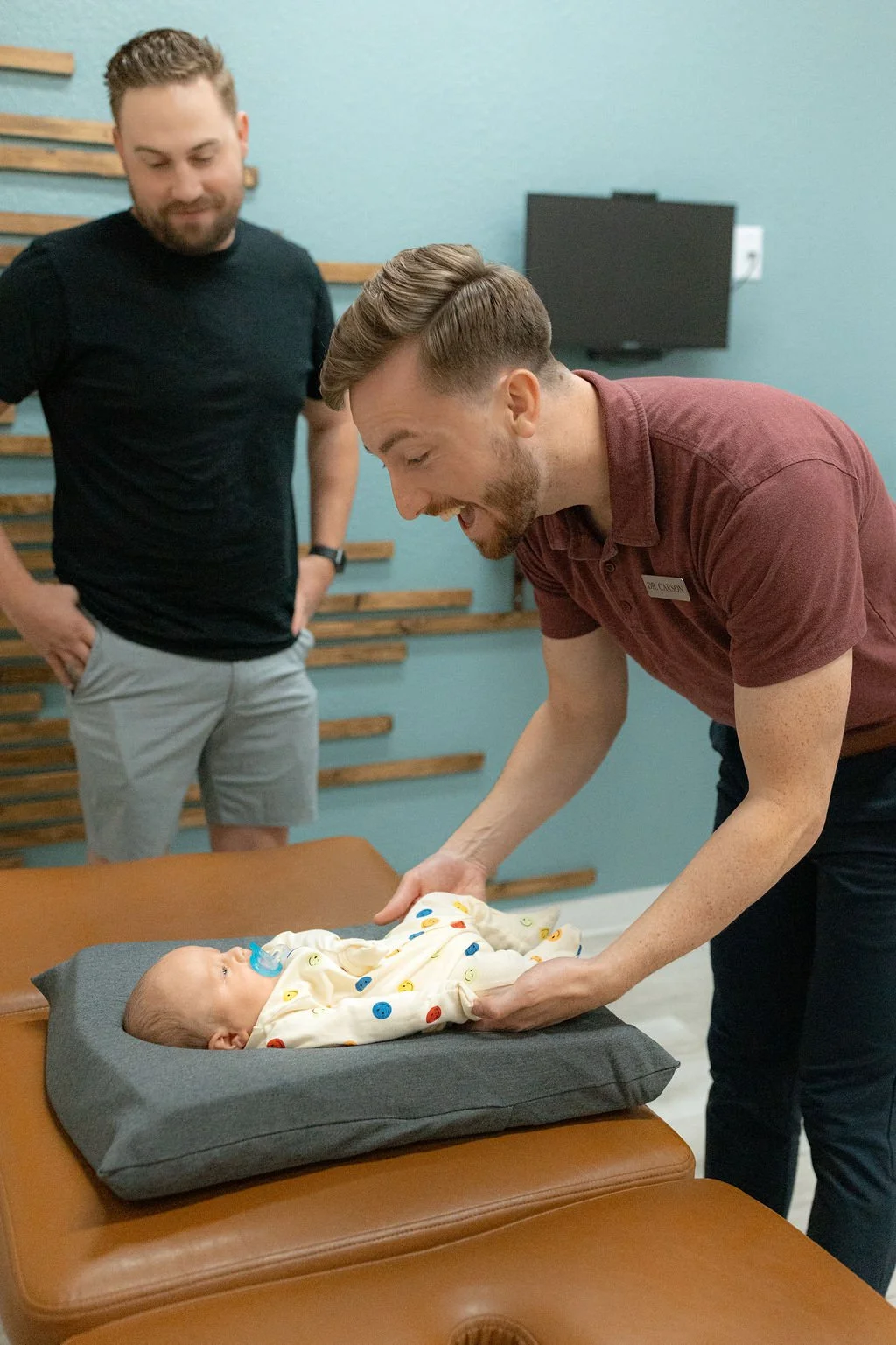
Chiropractic care for infants is very different from adult care. At Edified Chiropractic, we use extremely gentle, low-force techniques designed specifically for babies.
Gentle Infant Chiropractic Adjustments
These light-touch adjustments:
Support proper cervical spine alignment
Reduce tension affecting neck movement
Improve nervous system communication
There is no cracking, popping, or forceful manipulation.
Parent-Guided Stretching & Positioning
We teach parents safe, simple strategies to use at home, including:
Gentle stretching techniques
Feeding and holding positions
Tummy time modifications
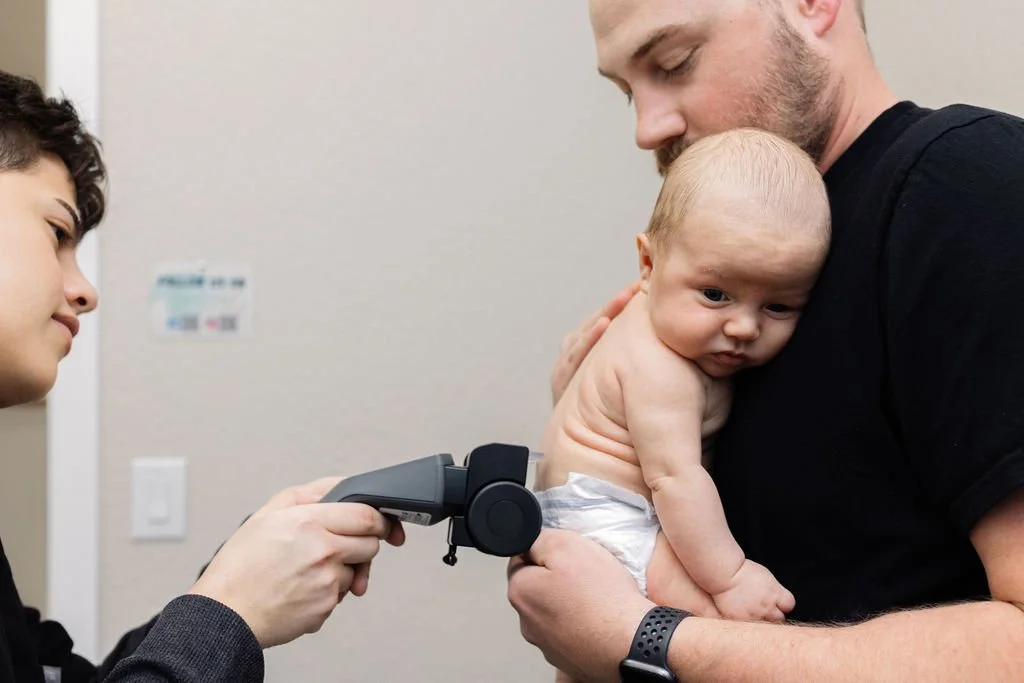
Soft Tissue Release for Infant Neck Muscles
Tight muscles play a major role in baby torticollis. Gentle soft tissue work helps:
Relax the affected neck muscles
Improve comfort and mobility
Support balanced muscle development
Supporting Healthy Development
Addressing torticollis early can help reduce the risk of:
Head flattening
Delayed motor milestones
Ongoing postural imbalances
Personalized Torticollis Care in Gilbert, AZ
What to Expect at Your Baby’s First Visit
Your baby’s visit includes:
A detailed pregnancy and birth history
Observation of head, neck, and body movement
Gentle assessment of muscle tone and mobility
Comprehensive Infant Evaluation
We evaluate how your baby’s neck, spine, and nervous system are functioning together.
Range of Motion & Developmental Screening
We look at:
Neck rotation and head control
Symmetry in movement
Age-appropriate milestones
Customized Pediatric Care Plan
Your baby’s plan may include:
Gentle chiropractic care
Soft tissue techniques
At-home guidance for parents
Progress checks to monitor improvement
Conditions Commonly Seen With Baby Torticollis
Infant torticollis often occurs alongside:
Flat head syndrome (plagiocephaly)
Feeding difficulties
Reflux or tension-related fussiness
Preference for one side during sleep or play
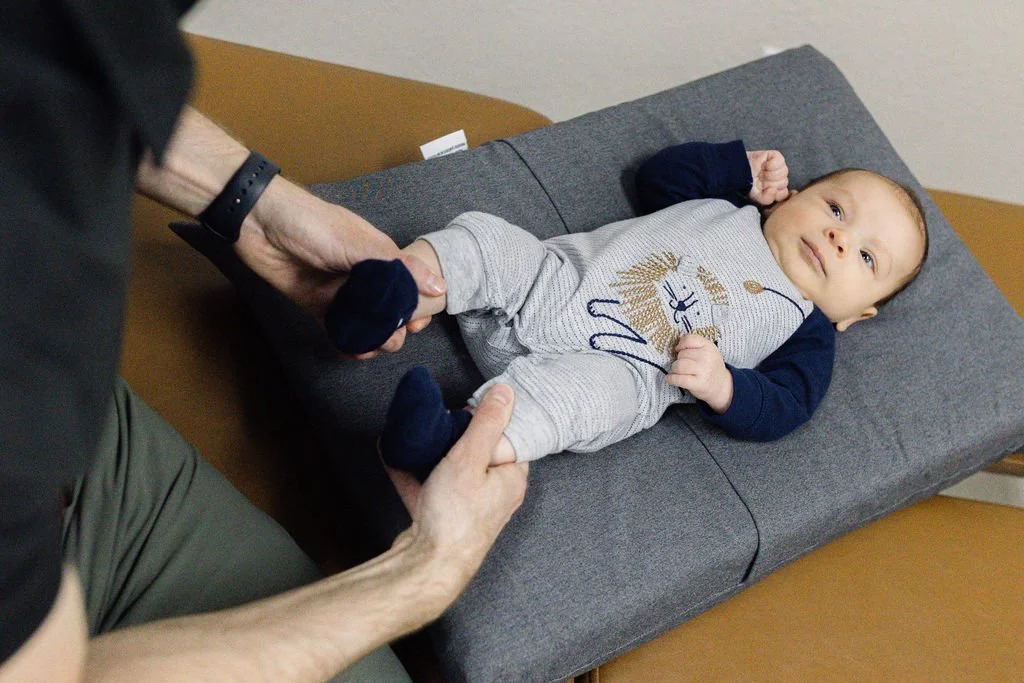

Why Parents Choose Edified Chiropractic in Gilbert, AZ
Choosing care for your baby is a big decision—we take that responsibility seriously.
Gentle, Evidence-Informed Pediatric Care
Our approach prioritizes safety, comfort, and developmentally appropriate care.
Experience With Infant & Pediatric Conditions
We regularly work with babies and young children experiencing:
Torticollis
Postural imbalances
Early motor challenges
Trusted by
Gilbert Families
Parents throughout Gilbert, AZ choose Edified Chiropractic for our calm environment, clear communication, and compassionate care.
FAQs About Chiropractic Care for Babies With Torticollis
-
Torticollis is a condition where a baby or young child consistently holds their head tilted to one side and rotated to the other — often because of tightness or tension in the sternocleidomastoid muscle (the large muscle running along the side of the neck). Most parents first notice it when their baby seems to prefer looking one direction, has trouble turning to nurse on one side, or develops a flat spot on one side of their head. Conventional treatment typically involves stretching exercises and physical therapy, which can be helpful — but they work on the muscle without addressing the neurological reason the muscle is tight in the first place. Chiropractic care focuses on the underlying tension in the upper cervical spine that's driving the muscle imbalance, giving the body a much better foundation for lasting correction.
-
Birth is almost always part of the story. The upper cervical spine — particularly the C1 and C2 vertebrae — is the most vulnerable region of a newborn's body during delivery. Rotational forces, lateral pulling, vacuum or forceps assistance, a prolonged pushing stage, or even a fast unassisted delivery can leave the upper cervical spine with significant tension or misalignment. When C1 or C2 are stressed, the muscles surrounding that area — including the sternocleidomastoid — tighten as a protective response. That protective tension is what creates the characteristic head tilt and rotation of torticollis. The muscle isn't the problem — it's responding to the problem. Addressing the spinal tension at the source is what allows the muscle to finally let go.
-
Stretching is a reasonable starting point, and we fully support families doing the exercises their pediatrician or physical therapist recommends. But stretching a muscle that keeps tightening because of an unresolved neurological issue is a bit like bailing water without plugging the hole. Many families come to us after weeks or months of consistent stretching with limited progress — and once we address the upper cervical tension driving the muscle tightness, they start seeing movement and range of motion improve in ways the stretching alone wasn't producing. Chiropractic care and physical therapy work beautifully together for torticollis. We're not asking you to choose — we're offering the piece that's often missing from the picture.
-
Almost always, yes. Torticollis and plagiocephaly are close companions. When a baby consistently holds their head in one position — turned and tilted the same direction day after day — the skull, which is still soft and moldable in the early months, begins to flatten on the side they favor. The flat spot then makes it even more comfortable to rest in that position, which reinforces the pattern. Addressing the torticollis early is one of the most important things you can do to prevent plagiocephaly from progressing or to support correction if it's already developing. When we restore proper range of motion in the neck and upper cervical spine, babies naturally start moving their heads more freely — and the skull gets the varied pressure it needs to round out appropriately.
-
The earlier the better — and we mean that genuinely. The first few months of life are a critical window for the nervous system and musculoskeletal development. Tension that's addressed at two weeks or two months is far easier to resolve than tension that's been held for a year. We see newborns regularly, and the adjustments at that age are incredibly gentle — light fingertip pressure along the upper cervical spine, nothing more. Many families notice improved head turning within the first few visits. Full resolution depends on how long the pattern has been established and how much tension is present, but torticollis is one of the conditions that responds very well to early, consistent chiropractic care. If your baby is already showing a head preference, don't wait to see if they grow out of it — come in and let us take a look.
Schedule Your Baby’s Consultation Today
If you’re looking for a baby torticollis chiropractor in Gilbert, AZ, early support can make a meaningful difference in your child’s comfort and development.